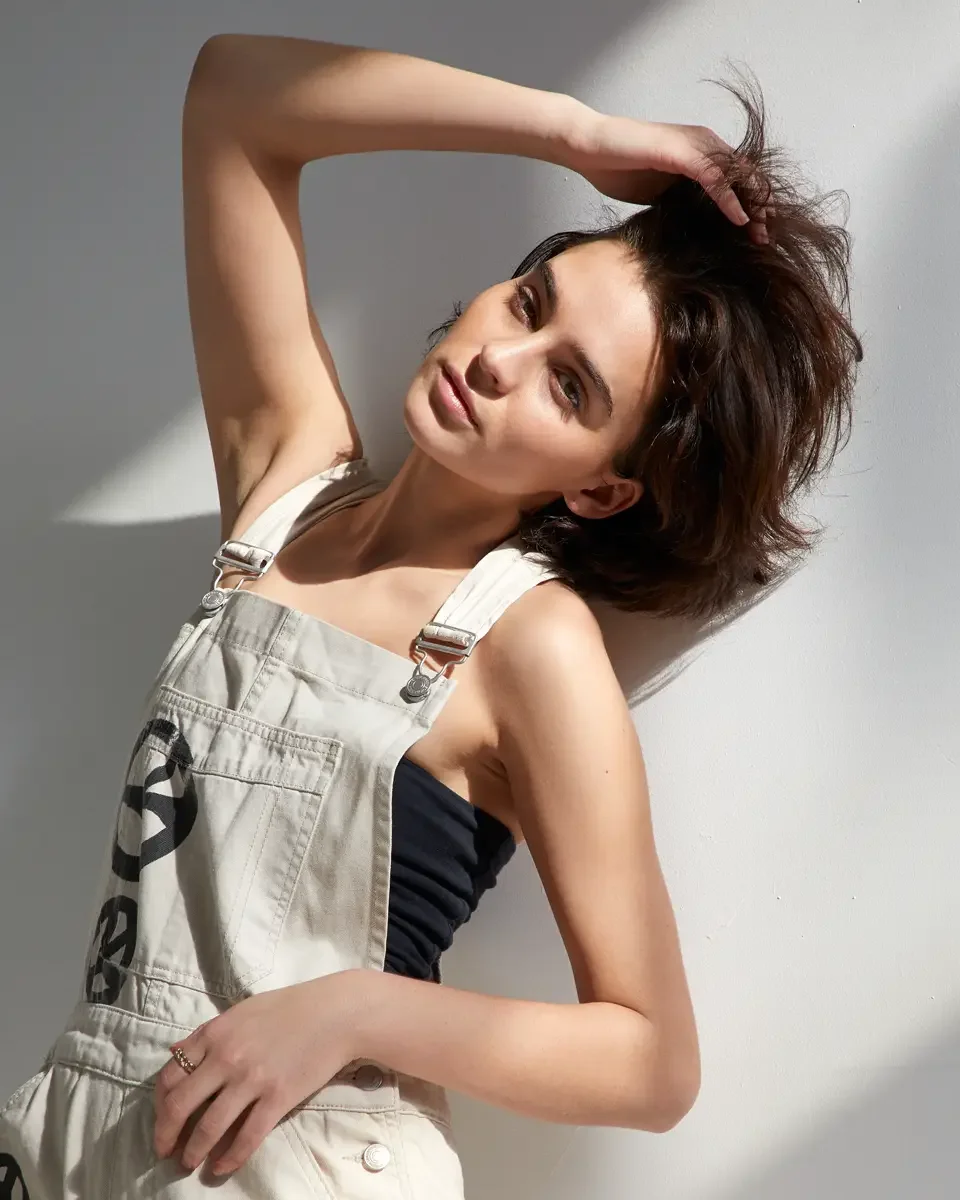
Test Shoots

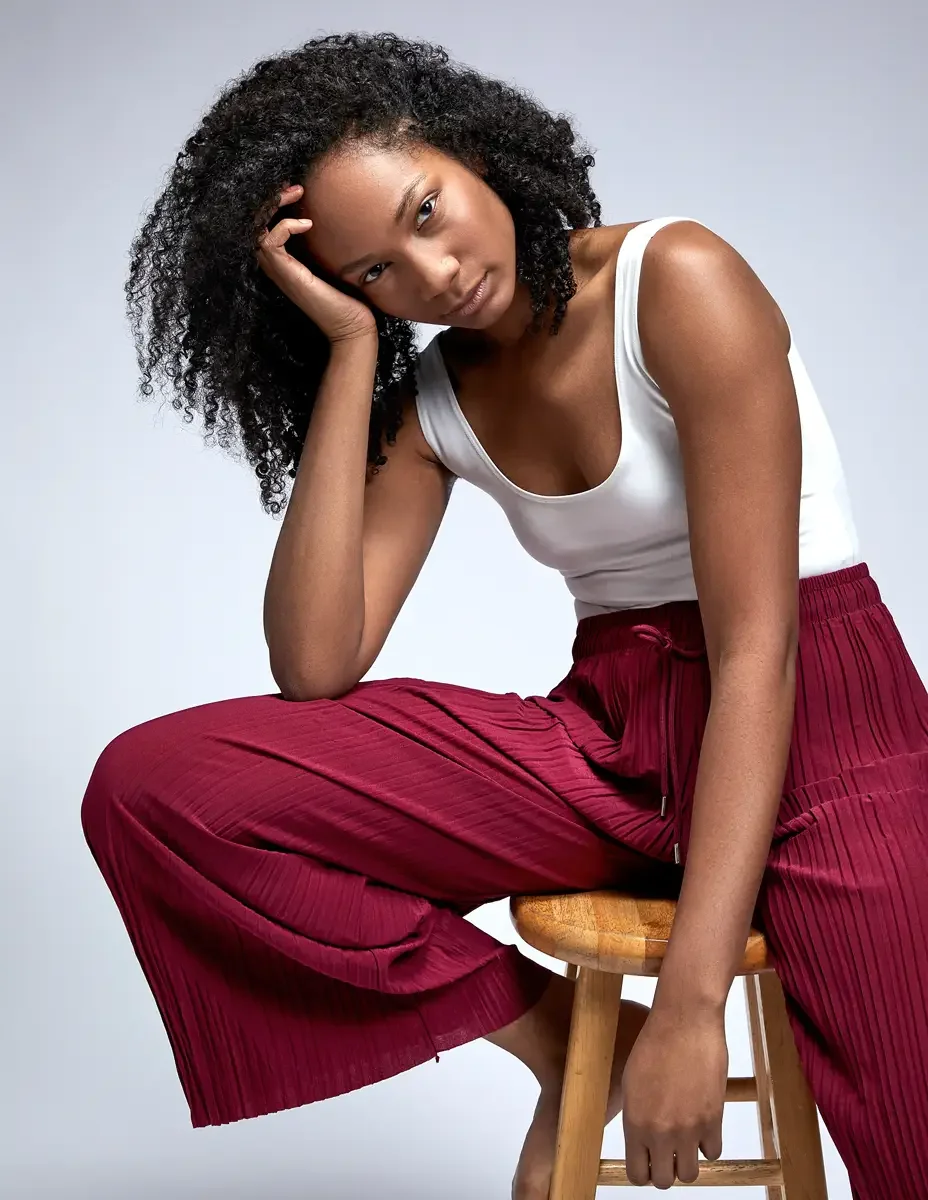
Model portfolio development session, commercial portrait, black ribbed tube top, red wide-leg trousers, silver jewelry, arms crossed, direct gaze, gray background, photographed by Scott Parker Photo, New York

A test shoot is a collaborative photo session built around experimentation, not a client deliverable. The team arrives with a creative direction. The images go where that direction leads. Every member of the team, photographer, makeup artist, model, stylist, walks away with portfolio material. The session exists to push the work, not to fulfill a brief.

That definition is worth stating plainly, because social media has distorted it. Test shoots are increasingly framed as free production shoots, the same way "digitals" gets misrepresented as a free photo session. Neither framing is accurate. A test shoot is professional work conducted without a paying client. It has direction, a working team, and real creative stakes.

Young woman squatting, wearing green patterned shirt, black skirt, green high heel boots, with a black handbag, in a studio with white background.

A couple of the galleries here come from a period when the fashion practice was still finding its visual language. The approach was methodical in one sense and deliberately open in another: find collaborators working toward similar goals, do the work, and let the images produce the conclusions. A hypothesis before the work makes sense. A philosophy before the work is speculation.

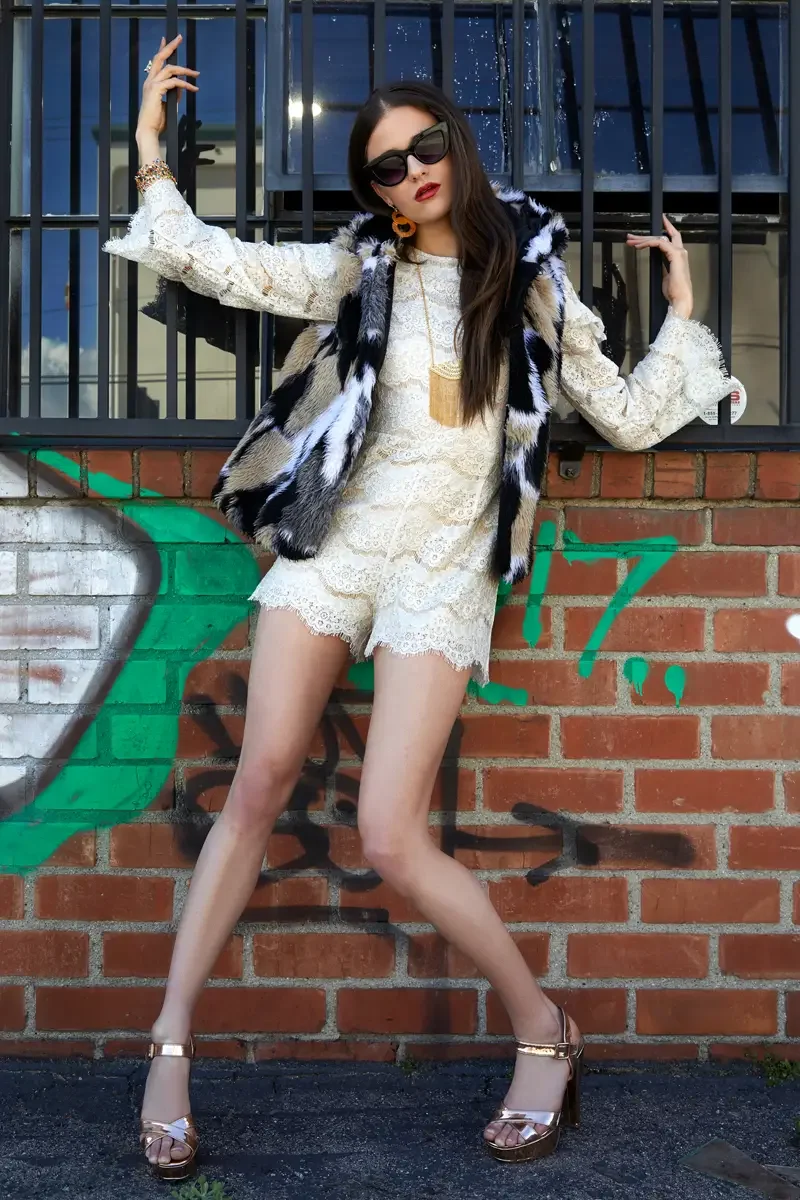
Model portfolio development session, high fashion editorial look, distressed burgundy and gray striped knit top, tweed blazer, bold yellow eyeshadow, dark lip, white background, photographed by Scott Parker Photo, New York

The collaborators across these sessions included makeup artists, models, and other photographers at various career stages, some agency-represented, some independent. All of them were building something. These were the sessions where that happened.
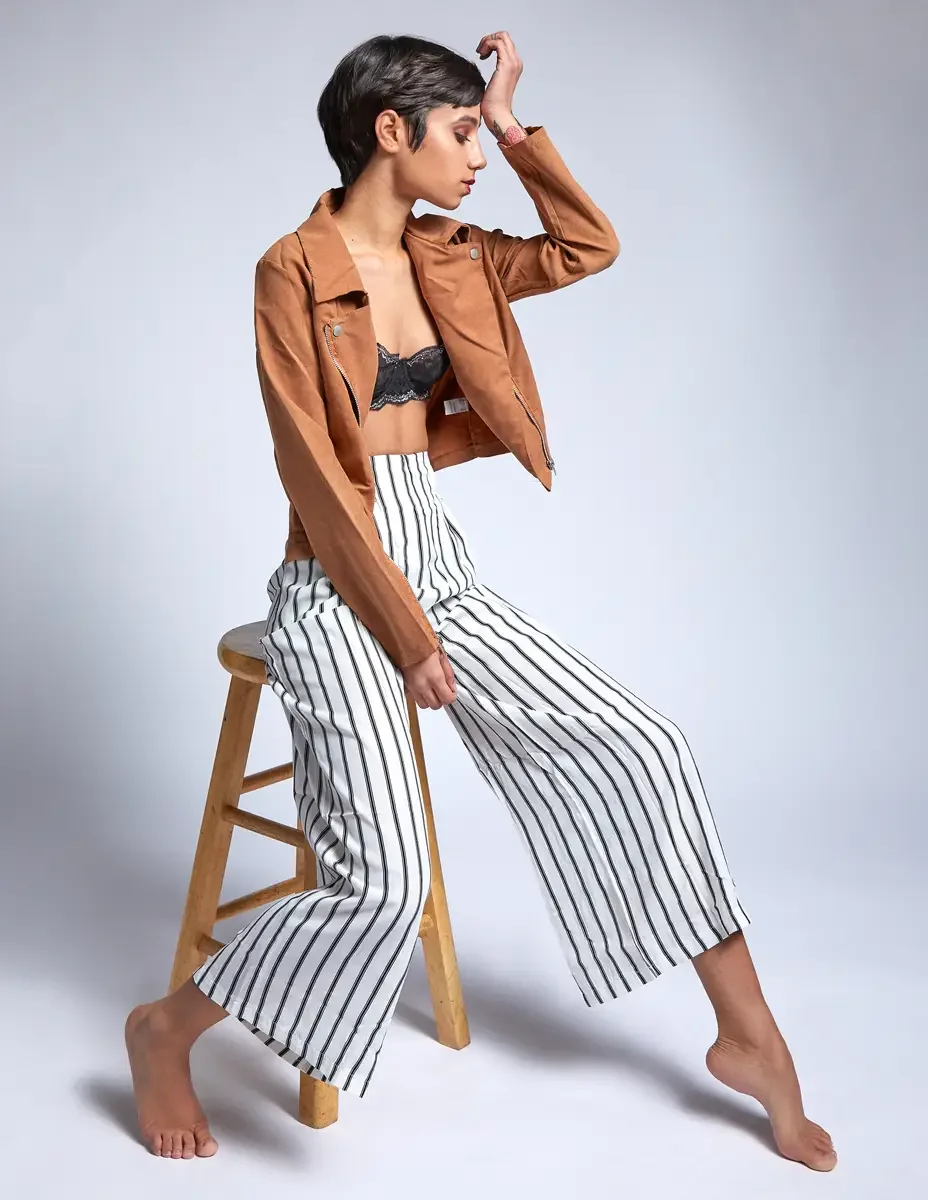
A woman posing with arms outstretched, wearing a denim shirt tied at the waist, light gray pants, blue shoes, and a large, patterned knit cardigan, against a white background.

Fashion photography develops through exactly this kind of work: studio time with no client brief, creative direction with room to fail, and a team willing to experiment. The test shoot format is how photographers, makeup artists, models, hair stylists, wardrobe stylists, and creative directors develop and sustain a point of view. That is why it is an ongoing practice. The most experienced people in the industry continue to test throughout their careers. It is not a developmental stage. It is a practice of continuing professional growth.
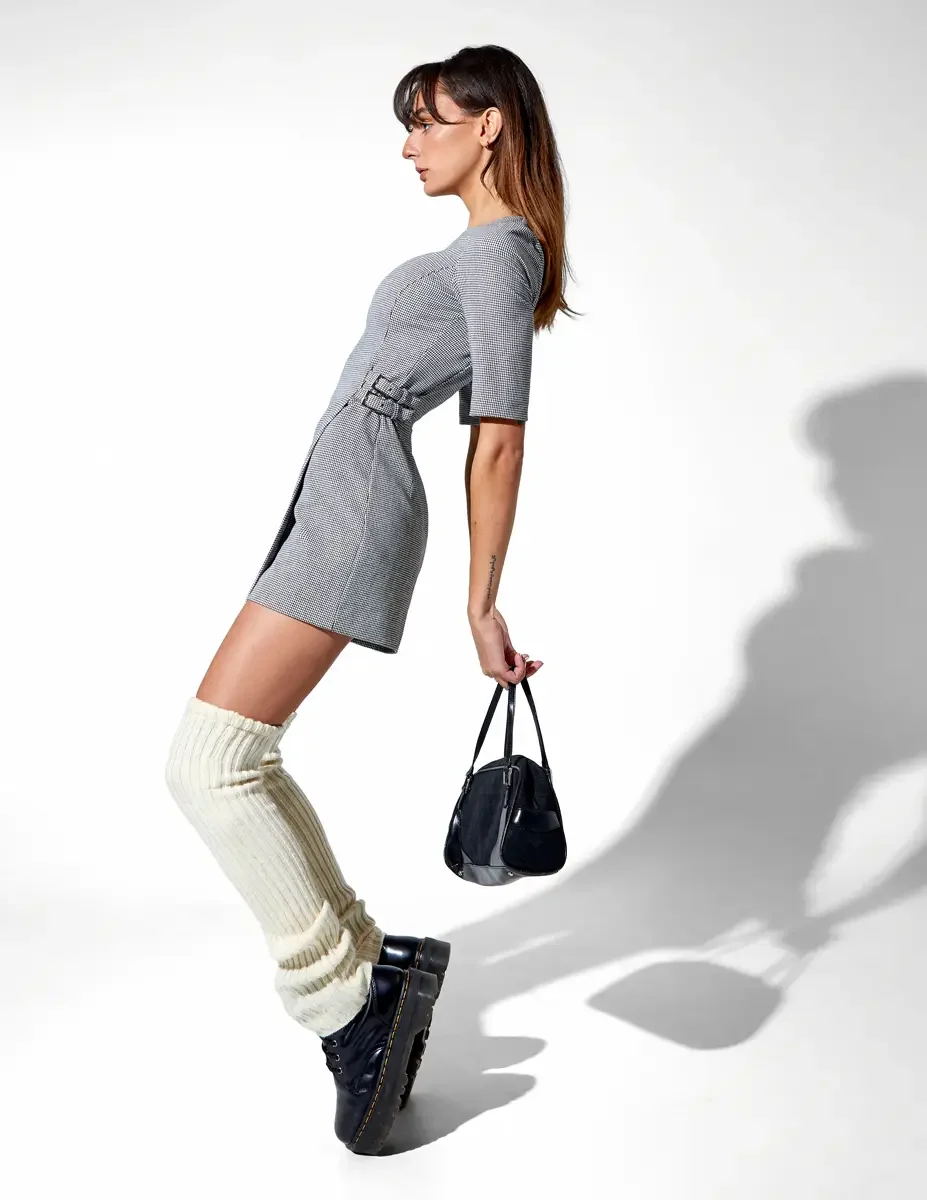
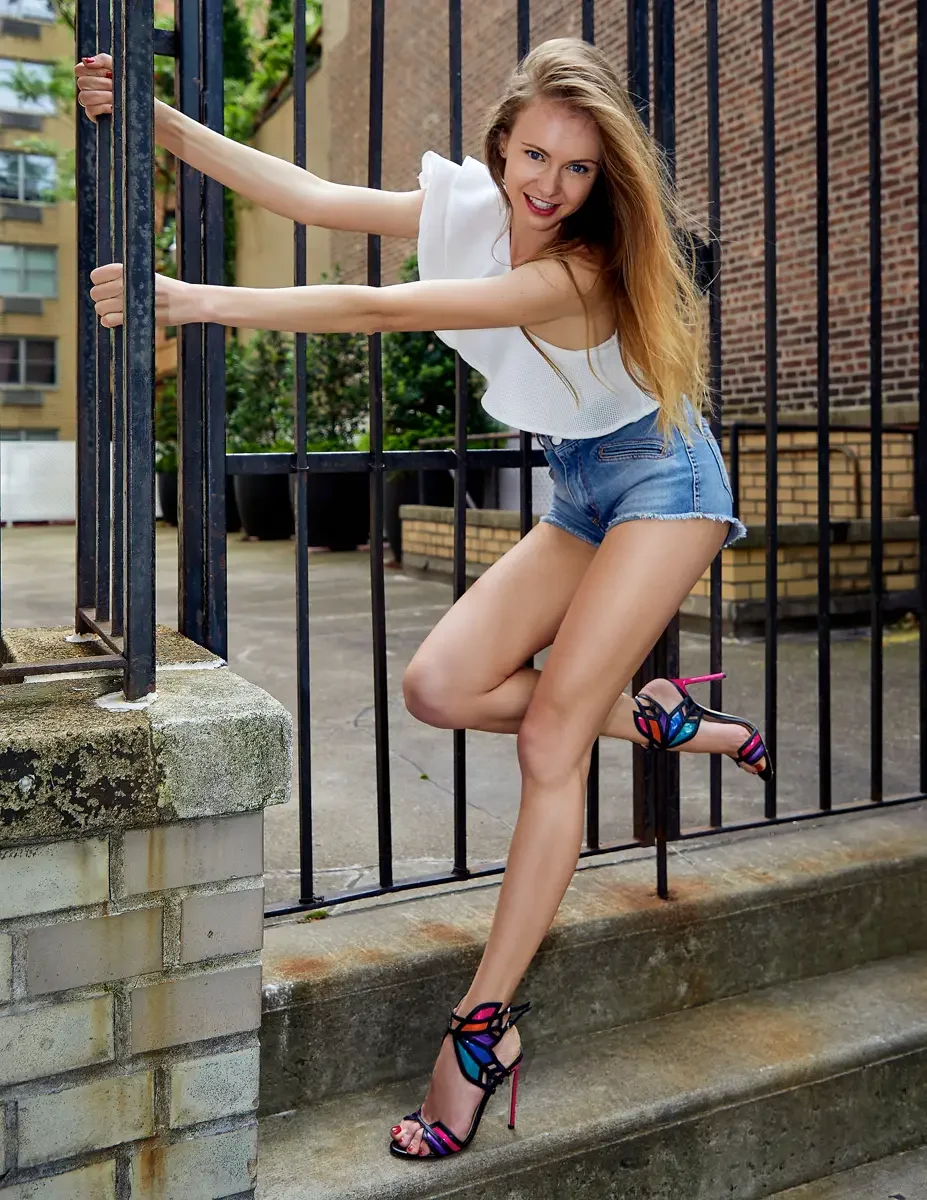
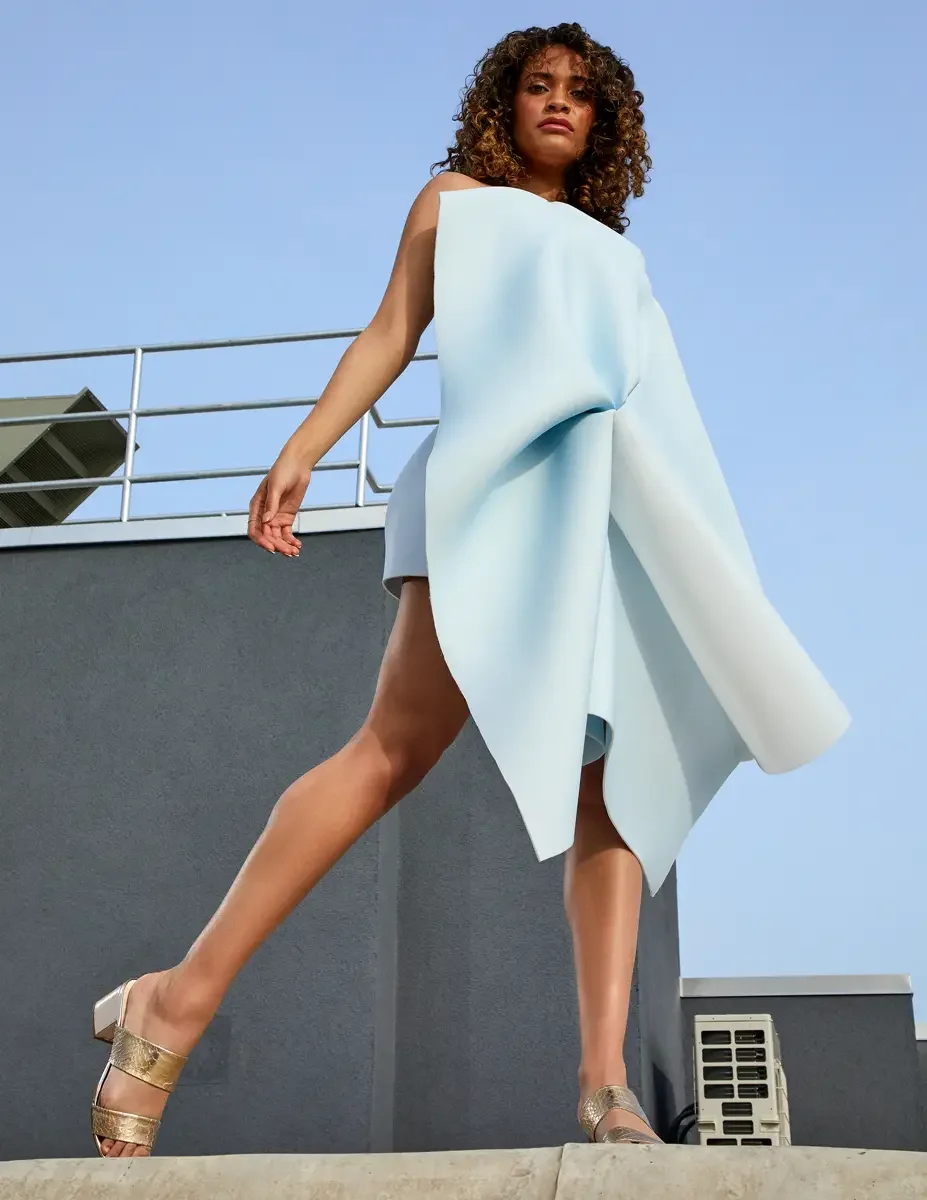
Model portfolio development session, commercial athletic look, blue sports bra and leggings, extreme side-plank pose with arm extended, white background, photographed by Scott Parker Photo, New York

Investment

Portfolio development sessions start at $1,350.
Most sessions, once scope is established, fall between $1,350 and $3,500 depending on the number of looks and whether beauty work is included.

The final investment reflects the scope we establish together in the consultation: the number of looks, the complexity of the shoot, and what your book specifically requires. There are no packages and no preset menus. A model building their first commercial look has a different session than one expanding into fashion editorial across three categories. The price reflects the work, not a tier name.

Hair and makeup are not included in the session fee. They are part of almost every session and are discussed during the consultation so there are no surprises. Your makeup artist is paid directly. The cost never passes through my billing. I don’t mark up makeup and hair.

The consultation is where scope is confirmed and investment is established. Nothing is booked before that conversation happens.

Woman in activewear stretch poses while holding her foot behind her in a fitness studio.

Contact

The first step is a conversation.

Use the form below to introduce yourself and tell me a little about where you are and where you’re trying to go. I’ll follow up personally within 48 hours.

There is no obligation and no sales process.
If this is the right fit, we’ll know that quickly. If it isn’t, I’ll tell you honestly and point you in a direction that serves you better.

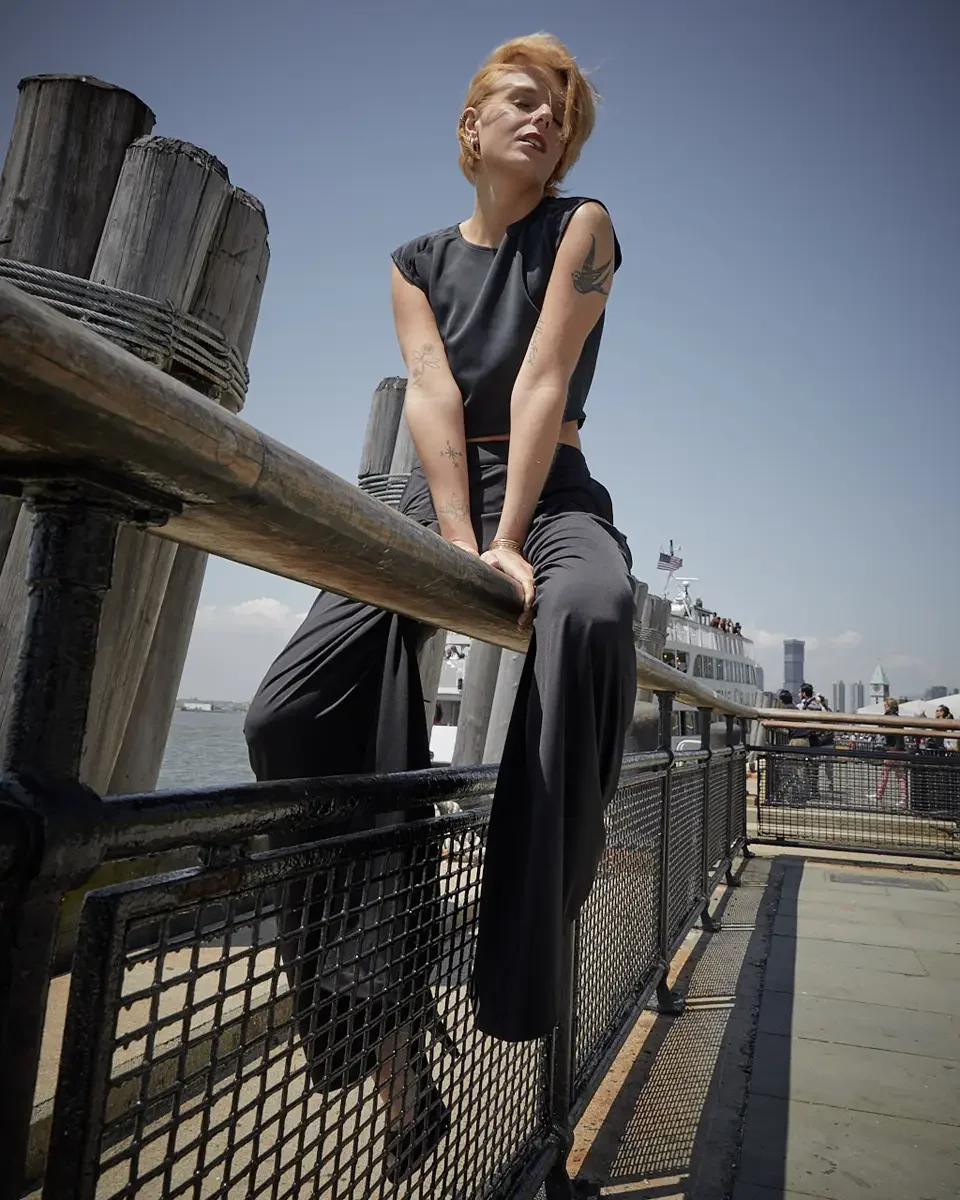
Model portfolio development session, commercial athletic look, white Adidas tee, pink running shorts, white socks, silver sneakers, mid-jump pose, smiling, white background, photographed by Scott Parker Photo, New York

Let’s start a conversation

Tell me a little about where you are and where you’re trying to go.
There are no wrong answers here.
This is the beginning of a conversation, not an application.

I’ll follow up personally as soon as I can, usually within 48 hours.

Frequently Asked Questions

About the Portfolio

What are model digitals?

Digitals are clean, unretouched reference images with no heavy styling or production polish. They show exactly what you look like on a given day: your skin, your bone structure, your proportions, exactly who you are. Every modeling agency uses them to evaluate a model before committing to representation or a booking. They are not glamour shots. They are not headshots. They are the industry’s baseline standard for how a model is assessed.

Every session here beings with digitals. Models who work with me on larger project often come away with opportunistic digitals. What we do in an official session like this, however, is make sure you have digitals that are industry-standard, ready for your application to agencies and castings. They are shot first, before hair and makeup , before looks. They are delivered first. If yo’uve never had proper digitals done, this where we start.

What do modeling agencies look for in a portfolio?

Agencies are looking for range and clarity. Range means they can see you across more than one context (commercial, editorial, beauty…) and understand what markets you’re viable for. Clarity means the images aren’t so over-produced that the model disappears behind them.

Every agency is different. Each one has it’s own personality, client list, and needs. Some are very niche. Some cover a broad spectrum. A commercial agency wants to see relatability and versatility. A high fashion agency wants to see bone strucxture, proportion, and point of view. A beauty agency wants to see skin, eyes, and expression up close. The session we build together is planned around the specific agencies and markets you’re tageting, and not a generic version of what a portfolio is supposed to look like.

The consultation is where we establish that. What you’re submitting to shapes everything we shoot.

How many looks should a model portfolio have?

The industry standard is three to five looks for an initial submission. Fewer than three and you’re not showing enough range. More than five and you’re showing too much at one time. Angencies and casting directors are looking thorugh many books, and don’t read past the point where the book stops telling them something new.

A submission and a portfolio are not he same thing. Experienced models maintain a larger body of work and reorganize it depending on who they’re submitting to and what they’re pursuing. What you lead with for a commercial agency is not waht you lead with for a high fashion agency. The portfolio is the full library. The submission is the edit.

What we build in a session is determined by what your book acutally needs. Sometimes that’s filling a specific gap (for example: a model with strong editorial work but not commercial looks). Sometimes it’s building range across categories from the ground up. The consultation is where we figure out which situation you’re in and plan accordingly.

What does a modeling portfolio look like when you’re just starting out?

A beginner portfolio is not a smaller version of an experienced model's book. It's a different thing entirely. One of the most common mistakes new models make is trying to make it look like something it’s not.

What a starting portfolio needs is clarity. It needs clean images that show what you look like, how you move, and what markets you might be viable for. Digitals. One or two strong looks that represent where you're trying to go. Nothing that obscures the model behind heavy production or styling choices. Those belong to a more developed career, once the industry knows you a bit and is ready for your creativity.

Agencies reviewing a beginner's portfolio are not expecting a finished book. They are looking for potential and professionalism. The question they're asking is: is there something here worth developing? A starting portfolio that answers that question honestly is more effective than one that tries to look like it belongs to a model with ten years of experience.

The consultation is where we figure out what your starting point actually requires. We build for where you are now. That’s not a limitation. That’s a foundation.

What is the difference between a modeling portfolio and headshots?

A headshot is a single image with a single purpose: to make a quick impression that shows what you look like, clearly, so a casting director or client can make a decision about whether to bring you in. It is a door-opener. It is not meant to show range.

A modeling portfolio is a body of work. It shows what you look like across multiple contexts, markets, and looks. It makes the case that you are viable for specific kinds of work. It is not one image. It is an argument.

Models need both. The headshot gets you considered. The portfolio gets you booked. If your headshot work needs attention alongside your portfolio, that should be part of the conversation.

About the Session

What happens during a session?

Every session begins with digitals: clean, unretouched images that capture you exactly as you are. From there, we move through looks chosen specifically for your career goals, whether that’s commercial, beauty, or high fashion editorial. Throughout the shoot, you’ll receive active posing direction. At the end of the week, you’ll have a set of edited images and a digital comp card for each look (assets built to work, not just to exist).

How long does a session take?

Studio time is booked in half-day blocks. The pace is unhurried by design. There is time for makeup, hair, wardrobe, and the work itself without the pressure of a clock running out. Not every session will use the full block, and that’s intentional. A session that ends when the work is done is better than one that rushes to fill time or cuts looks short.

Where do sessions take place?

Sessions are photographed in professional studio space in New York City. Specific location details are confirmed during the booking process.

Do I need to bring my own clothing?

Yes. Your wardrobe is part of the conversation we have before the shoot. We’ll discuss what each look requires and what you should bring. The goal is clothing that speaks to the work you want to book.

What should I do to prepare?

The consultation handles most of the preparation. Come ready to talk honestly about where you are in your career and where you want to go. Beyond that: rest well the night before, arrive with clean skin and hair, and bring the wardrobe we’ve discussed. Your makeup artist handles the rest.

Do I need prior modeling experience?

No. But you do need to be at a point where a portfolio session is the right next step. That’s part of what the consultation is for. Let’s make sure this investment will actually move you forward. If there’s foundational work to do first, we’ll talk about that honestly.

About Hair and Makeup

Is hair and makeup included?

Hair and makeup are not included in the session fee, but they are part of almost every session. We discuss this during the consultation so there are no surprises. The cost of your makeup artist is paid directly to them. It never passes through my billing.

Do I need to bring my own makeup artist?

Not necessarily. I work with a small group of makeup artists whose work I trust for this kind of photography. I’ll recommend someone based on the looks we’ve planned and coordinate their involvement. If you have an artist you already work with, we can discuss whether she’s a fit for the session.

What if I have a makeup artist I already work with?

Bring them up in the consultation. If the work aligns with what the session requires, that’s a straightforward conversation. The priority is that the makeup serves the photography — not the other way around.

About the Photos

How many photos will I receive?

We discuss this during our pre-production call. The emphasis is on images that are purposeful and usable — not volume. Every image delivered is one you can actually submit or post.

How long until I receive my images?

Digitals are delivered first. The remaining images are delivered look by look throughout the week following your session. You won’t wait for everything at once — each look arrives as it’s ready.

What is a digital comp card and how do I use it?

A comp card is a model’s calling card. A single image that shows range, look, and professionalism at a glance. The digital comp card you receive for each look is designed the way casting and agency submissions are actually reviewed: a strong hero image with supporting alternates. It’s ready to send, share, or submit without additional design work on your part.

How do I use my modeling portfolio photos?

The images we create are built for specific purposes, such as agency submissions, casting director packets, comp cards, and social media presence. Each use has its own format requirements and its own logic for what makes an image work in that context. That's part of what we establish in the consultation: not just what we shoot, but what the images need to do and how they need to be delivered to do it.

A comp card goes to an agency or casting director as a first impression. A portfolio PDF gets reviewed by a brand or creative director evaluating fit for a campaign. An Instagram post reaches scouts, brands, and industry professionals who are actively looking at models online. Each of these is a different tool for a different moment in your career. They require different versions of the same work.

What format are the images delivered in?

We discuss how you will use the images so that they can be delivered in a format that is ready to go. I have a default format that is useful for most applications, but if you have a specific use, let me know so files can be delivered in a way that fits that use.

About the Investment

How much does a session cost?

Sessions start at $1,350. Typical scope brings the average to $3,500 (depending on the number of looks and whether beauty work is included). Hair and makeup are additional and paid directly to the artist. That cost never passes through my billing. The consultation is where we establish scope and confirm the investment before anything is booked.

What determines the price?

Scope. The consultation establishes what your book actually needs — and the session is built around that. A model who needs one strong commercial look and a set of digitals has a different session than one building a full range across three categories. The investment reflects the work, not a package name.

How do I book?

Start with the inquiry form on this page, or reach out directly. Either way, the first step is a conversation — not a booking form with a credit card field. We’ll talk through your goals, confirm that this is the right fit, and go from there.

About Fit

Is this right for me if I’m just starting out?

It depends on where “just starting out” means for you. If you’re ready to build a book and pursue real work, yes. If you’re still developing foundational skills — posing, runway, industry knowledge — there may be a better first step. I’ll tell you honestly in the consultation. A session that isn’t right for you yet isn’t one I want to sell you.

I’ve done portfolio shoots before. How is this different?

Most portfolio shoots produce photos. This one starts with a conversation about what those photos need to do. The difference is planning — specifically, whose career the planning serves. Every decision in the session, from the looks we choose to the way images are delivered, is made in the context of where you’re trying to go.

Do I need to be represented by an agency?

No. Independent models, models pursuing representation, and agency-signed models refreshing their book are all appropriate clients. What matters is that you’re seriously pursuing modeling as a career and that a portfolio session is the right tool for where you are right now.

Can a parent or guardian attend?

For models who are minors, a parent or guardian must be present and will have full view of the shoot at all times. For adult models, sessions are conducted professionally and privately.

Do you work with male models?

Yes. The approach is person-specific, not gender-specific. The session is built around your goals and the market you’re pursuing. For many male clients, grooming often replaces traditional makeup and hair prep, and the look types shift accordingly. Commercial, editorial, grooming-focused or makeup-focused looks are all on the table depending on where you’re trying to go.

Who is Scott Parker?

Scott Parker is a Connecticut-based commercial fashion photographer, producer, and creative director with credits in Harper’s Bazaar Japan, Elle, Vogue Hong Kong, Nylon Japan, and Billboard UAE, among others. His fashion work spans four continents and includes campaigns for global brands and members of the CFDA and the Tokyo Fashion Council. Portfolio development sessions are an extension of the same approach he brings to every commercial engagement: thinking about what the work needs to do, not just what it needs to look like

About Modeling Agencies

How do I apply to a modeling agency?

Most agencies accept digital submissions. The format is straightforward: a cover email, a link to your portfolio or a PDF of your book, and a set of digitals. Some agencies also hold open calls — walk-in appointments where you can be seen in person without a prior relationship. Check the agency's website for their current submission process and follow their instructions exactly. Agencies that are serious about finding new talent make the process clear. Not following it is the fastest way to be dismissed before anyone has looked at your work.

What you submit matters most. An agency reviewing a submission is asking one question: is there something here worth getting signed? A strong set of digitals, one or two looks that represent where you're trying to go, and a comp card that shows range at a glance will answer that question more effectively than a large portfolio of inconsistent work. Don't let the pursuit of a perfect book become a reason to delay. Submit when the work is strong enough to represent you honestly.

Research the agencies you're submitting to and understand their portfolio requirements before you send anything. A commercial agency and a high fashion agency are looking for different things. Submitting the same package to both without adjustment is a signal that you don't understand the market you're trying to enter. The consultation we have before your session is partly about this — making sure the work we build is pointed at the right targets.

What is a mother agent?

A mother agent is the first person in the industry to represent a model — typically an independent agent or small agency that identifies talent early, develops it, and places models with larger agencies in major markets. Think of them as the person who gets you ready for the room before you're ready for the room.

The relationship is different from standard agency representation. A mother agent is not booking you directly for jobs. They are building you — working on your portfolio, your presentation, your market positioning — and then leveraging their industry relationships to get you in front of the right agencies in New York, London, Milan, or Paris. In exchange, they take a percentage of what the placing agency earns from your bookings.

This arrangement isn't always made explicit. Some agencies function as a model's mother agent from the start — developing talent and placing it with larger agencies — without ever using that term in conversation or in a contract. Understanding what the arrangement is, and asking about it directly, is part of knowing how to navigate your own career. If an agency is placing you with other agencies, that is a mother agent relationship regardless of what it's called.

For models who are earlier in their career or outside a major market, this kind of relationship can be the most direct path to serious representation. But knowing the structure means you can ask the right questions before you sign anything.

How do I find a mother agent?

Mother agents find talent as often as talent finds them. Industry events, open calls, and social media are all places where scouts and independent agents are actively looking. Some models are approached directly. Others reach out to smaller agencies or independent agents in their region and begin a conversation from there.

What a mother agent is evaluating at this stage is potential — not a finished portfolio. Clean digitals that show what you actually look like are usually enough to start a conversation. The development comes after.

If you're actively looking, research independent agencies and scouts in your market, follow industry professionals on social media, and make yourself findable. A professional online presence with accurate digitals is a reasonable starting point.

Do I need to find a mother agent?

Yes and no. If you can find a good one, they can certainly help guide your placement with agencies and your overall career. If you can’t find one, don’t let that stop you from applying directly to agencies. All of the top agencies have clear application proceedures posted on their website. If you have a specific ageny to which you are applying, let me know before your photo shoot so we can capture appropriate images for your application.